

Rating: 


 Loading...
Grads and New Practitioners Face Difficult Job Market
Loading...
Grads and New Practitioners Face Difficult Job Market
Loading...Self-Branding, Flexibility Keys to Success
 When Kenneth Kennedy, Pharm.D., began pharmacy school in 2005, he believed that finding his first job would be a snap. He had every reason to be optimistic: The nationwide shortage of pharmacists that had begun a decade earlier showed few signs of abating. Signing bonuses were routinely included with job offers. The problem had become so severe that in 2000, the Department of Health and Human Services, at the behest of Congress, issued a report that found “many of the critical demand factors are expected to persist during at least the next five to 10 years … thus, we can expect that the demand for pharmacists will continue to be greater than the supply.”
“When I started school, it seemed like everyone found a job without any trouble,” said Kennedy, who is currently pursuing a joint second-year post-graduate residency and master’s degree in outcomes and policy at the University of Kentucky in Lexington. “I heard a lot of people, including recruiters for schools, talk about how wide open the market was. That all changed while I was in school.”
A Different World
Snapshots from ASHP’s annual pharmacy staffing survey reveal just how dramatic that change has been: Vacancy rates for clinical pharmacist positions peaked at 9 percent in 2000-2001 and plateaued in the 5-percent-to-6-percent range through 2008. By 2011, however, the rate had dropped by more than half to 2.4 percent.
Similar declines occurred in all sectors of pharmacy practice. The confluence of two factors are largely responsible for the reversal of fortune for clinical pharmacy: a deep recession and resulting hospital budget cutbacks, and a striking increase in the number of pharmacy school graduates from about 8,000 in 2005 to more than 12,000 in 2011—and still climbing. Also affecting the demand for pharmacists has been retail pharmacy’s transition to central fill models, which require fewer staff.
“Large employers of pharmacists, including hospitals, are not hiring like they used to, and some are even cutting positions. That was unheard of a few years ago,” said Douglas Scheckelhoff, M.S., FASHP, ASHP’s vice president of professional development. There isn’t yet a surplus of pharmacists, he added, but he hears more tales of graduating pharmacists who have had trouble getting jobs. “Many are taking a much longer time to find jobs, or they’re taking positions they would not have previously considered,” he said.
The results of ASHP’s recent Job Market Perceptions Survey reflect the anxieties among graduating students and new practitioners. For example, among students graduating in 2012, 82 percent said they were worried about finding a job after graduation. Ninety-five percent of 2010 pharmacy school graduates and 84 percent of those expecting to graduate in 2014 agreed or strongly agreed with the statement, “I am concerned that the supply of pharmacists is outpacing the demand for pharmacists and will impact my future.”
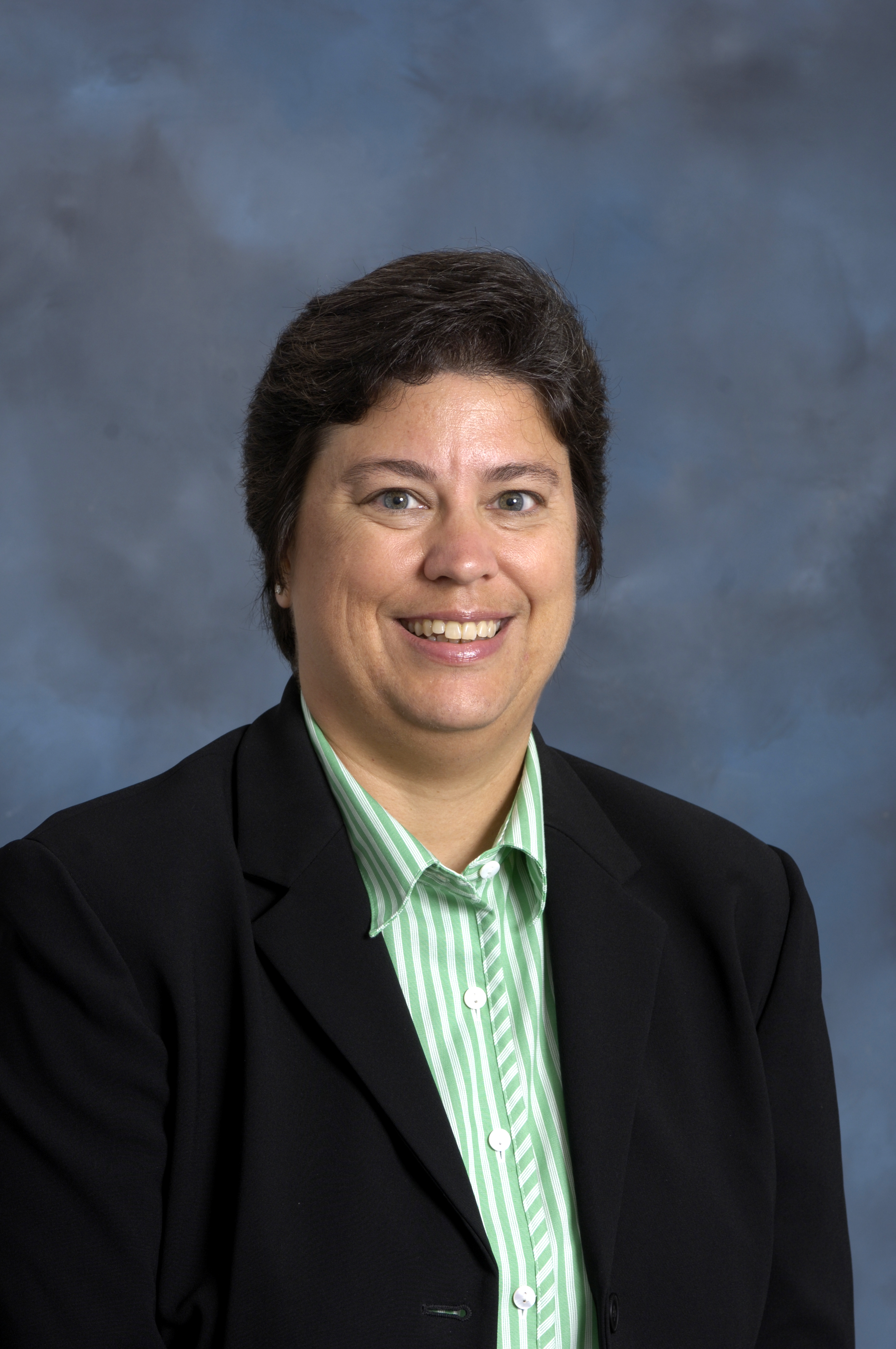
Mary Hess, Pharm.D., FASHP, FCCM, FCCP
How to Find a Great Job
While their concerns are not unfounded, students can improve their prospects by adjusting to a shifting market, according to Mary Hess, Pharm.D., FASHP, FCCM, FCCP, associate dean, Jefferson School of Pharmacy, Philadelphia.
“The market is tight, but there are positions out there,” she said, adding that new graduates may not be able to obtain their exact job description or find a position a few miles from where they live as was the case a few years ago.
“Multiple factors influence the number of positions available in any particular market area and that can be challenging to figure out as a student,” Hess said. “The best advice I can offer today’s student pharmacists is to begin developing a strategy for employment as soon as they start pharmacy school,” including deciding where to obtain an intern position, building your resumé, and networking with pharmacists in practice.
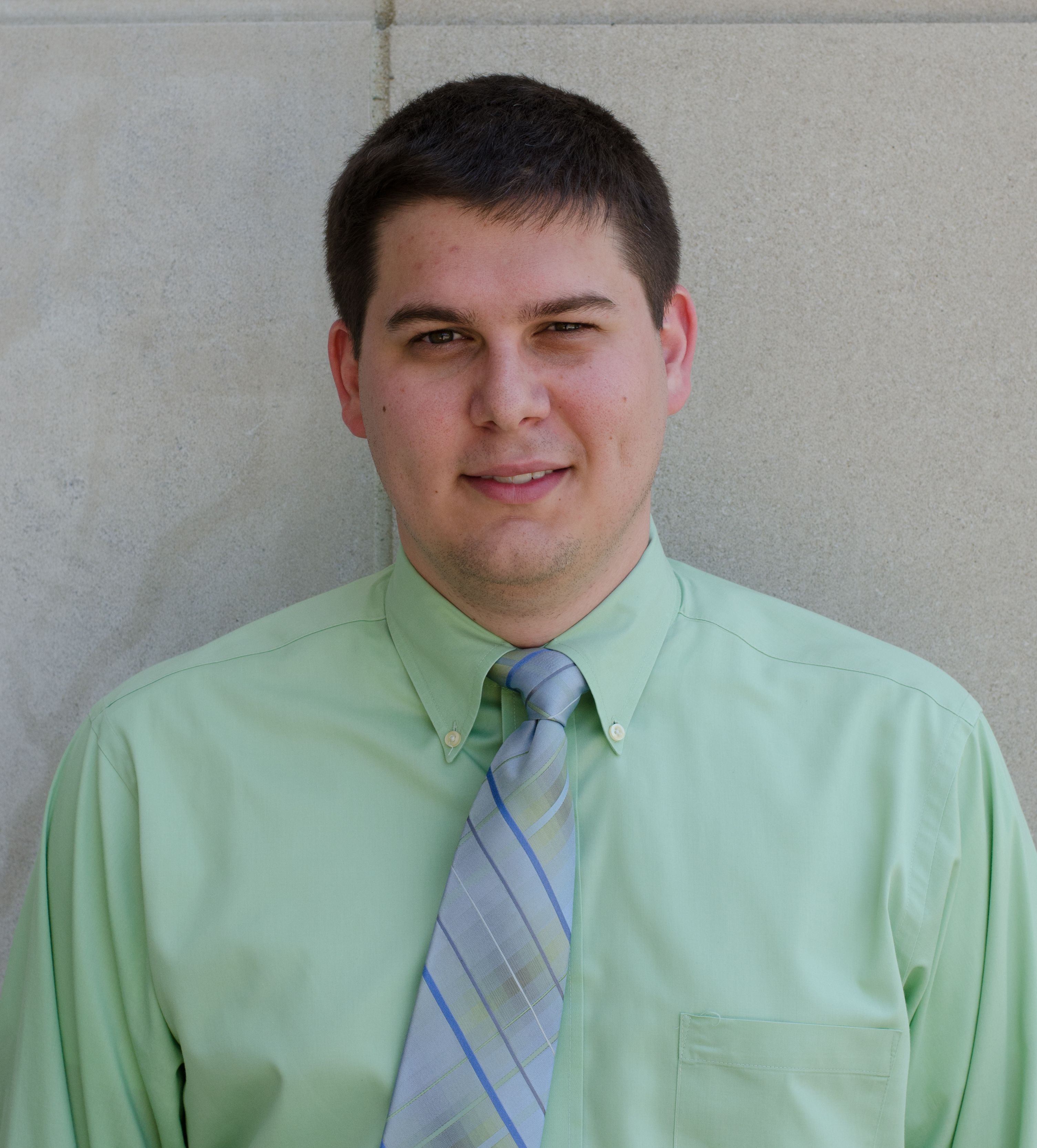
Kenneth Kennedy, Pharm.D.
A growing number of students are seeking residencies to gain a competitive edge and differentiate themselves from their peers. “A residency is key,” said Kathleen S. Pawlicki, B.S., M.S., director of pharmaceutical services at Beaumont Hospital in Royal Oak, Mich. “If you can do a residency, that would definitely be the direction I would recommend, in itself or coupled with involvement in a professional organization. Anything that demonstrates that you’re a lifelong learner and committed to your profession makes you more marketable.”
Because there are a limited number of residency positions across the country, Janet Teeters, M.S., ASHP’s director of accreditation services, said that the same flexibility that has become vital for job hunting applies equally to landing a residency. If you find yourself in the post-match scramble, “be prepared to go to a different part of the country, and act quickly to let the programs with open positions know you are interested,” she said.
Credentialing and personal branding that differentiates you from your peers is also critical, according to Henri R. Manasse, Jr., Ph.D., Sc.D., ASHP’s executive vice president and CEO. “Those pharmacists who are practicing at the cutting edge of our profession will have the broadest choices and most opportunities in terms of employment.”
Kathleen S. Pawlicki, B.S., M.S.
A Brighter Future
Pawlicki expects a brighter future for new practitioners setting out in a clinical pharmacy career. For instance, she expects national health care reform—in the form of ambulatory and medical home care models—will eventually lead to expanded patient-care roles for pharmacists. Additionally, “with the growth in pharmacy schools, there will be greater demand for trained faculty,” she said.
Recommendations of the ASHP-ASHP Foundation’s Pharmacy Practice Model Initiative(PPMI) Summit, which are designed to ensure that pharmacists are the health care professionals who are responsible and accountable for patients’ medication outcomes, are also important for the job market. “As there’s more movement toward instituting components of the PPMI, there will be more opportunities in hospitals and greater roles for clinical pharmacists,” said Dr. Hess.






 If you want to contribute tutorials, news or other stuff please contact us. We pay 150 for each approved article.
 Consectetur adipisicing elit. Sed do eiusmod tempor incididunt ut labore.
 This site uses valid HTML and CSS. All content Copyright © 2010 Newscast, Inc
 If you like what we do, please don't hestitate and subscribe to our